How signals are gathered
Team members answer quick questions at the start of team sessions — or separately in their own time.
Quick, engaging questions with images. Usually takes just a few minutes to complete.
Based on Prof. Dr. Amy Edmondson's work and Google's Project Aristotle research on effective teams.
Splash screens appear from time to time, teaching team members about psychological safety research.
Simple answers, meaningful signals
Questions are presented in a clear, engaging way, sometimes supported by short educational prompts.
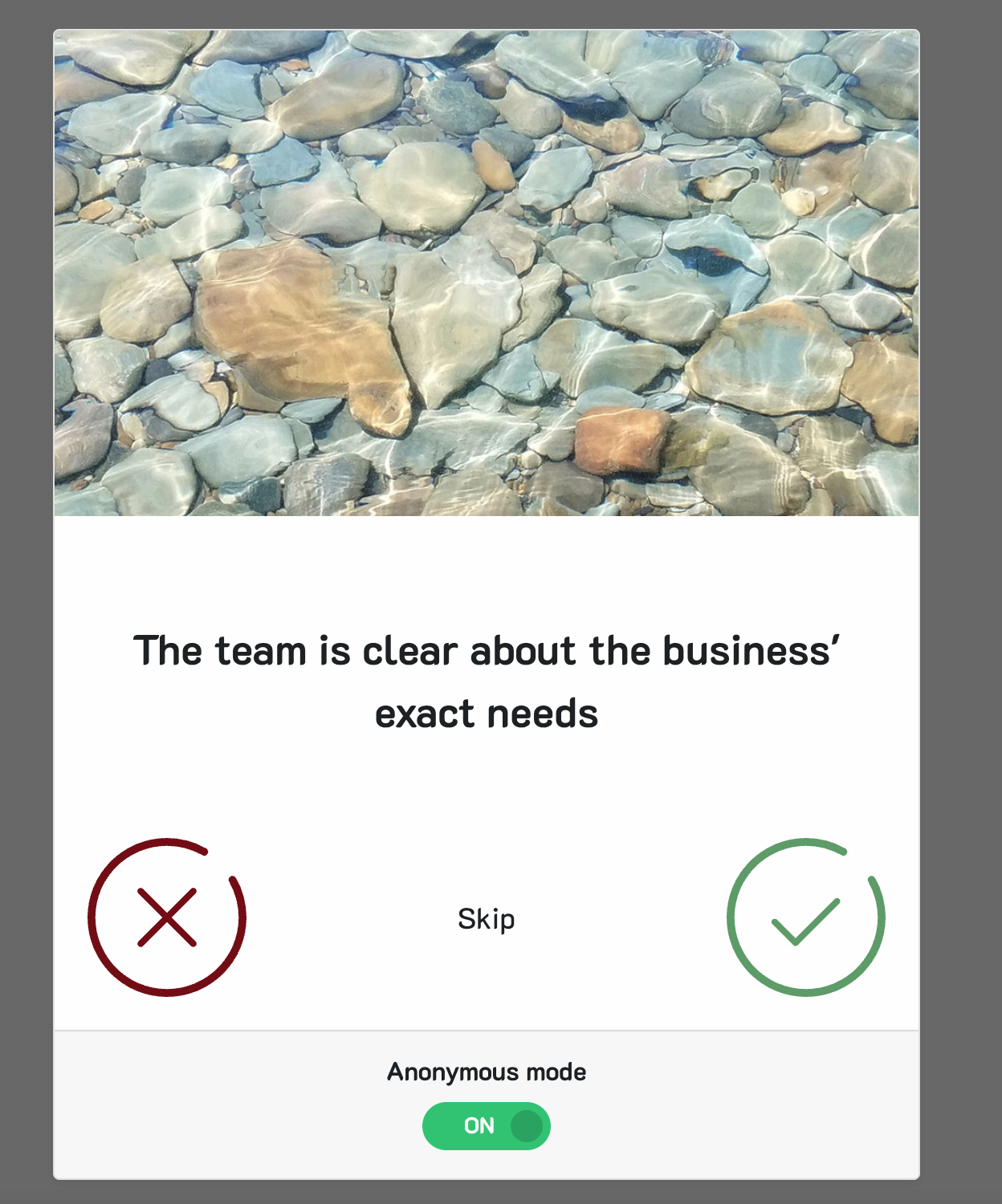
Questions cover understanding of goals and business context
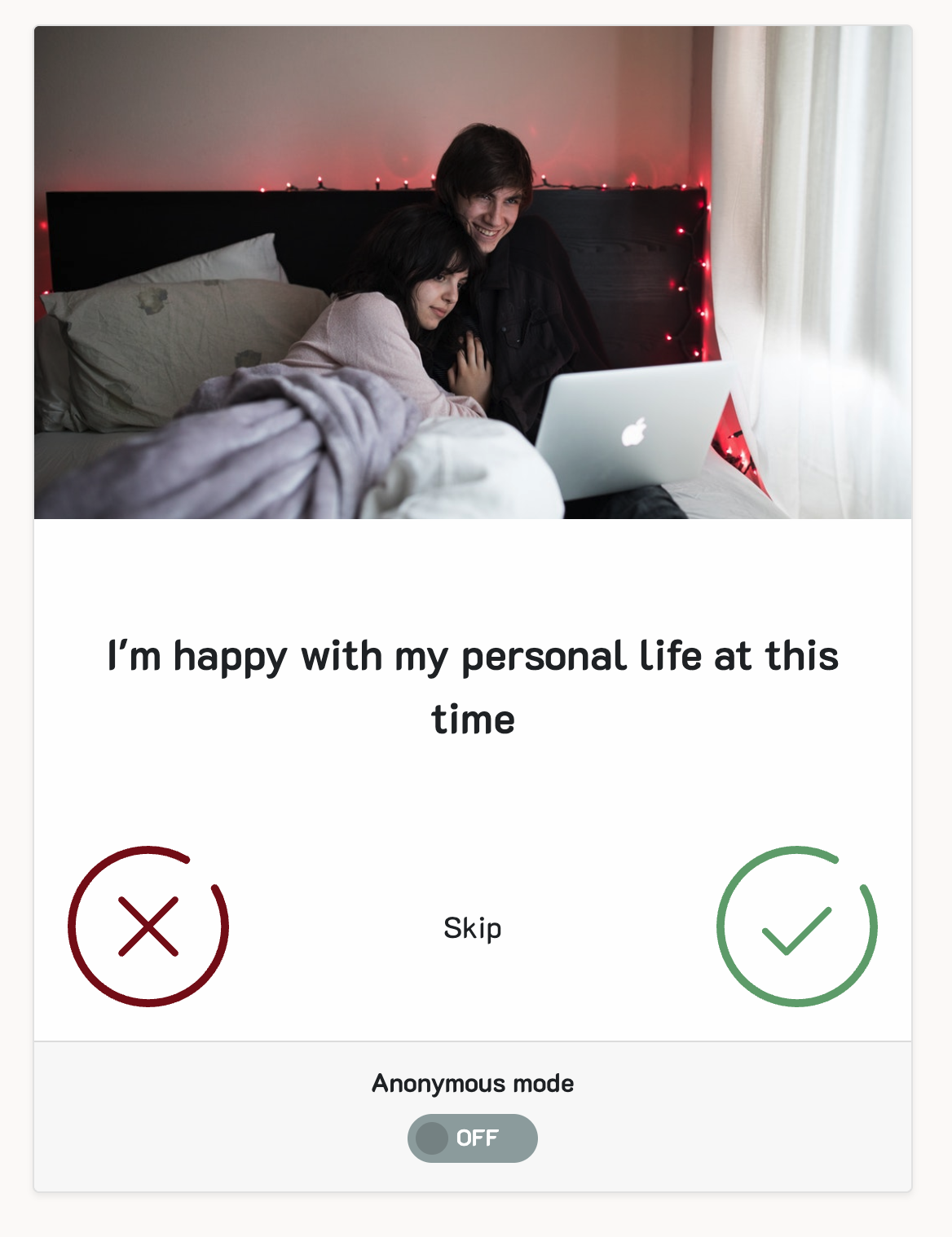
Wellbeing signals help teams understand the whole person
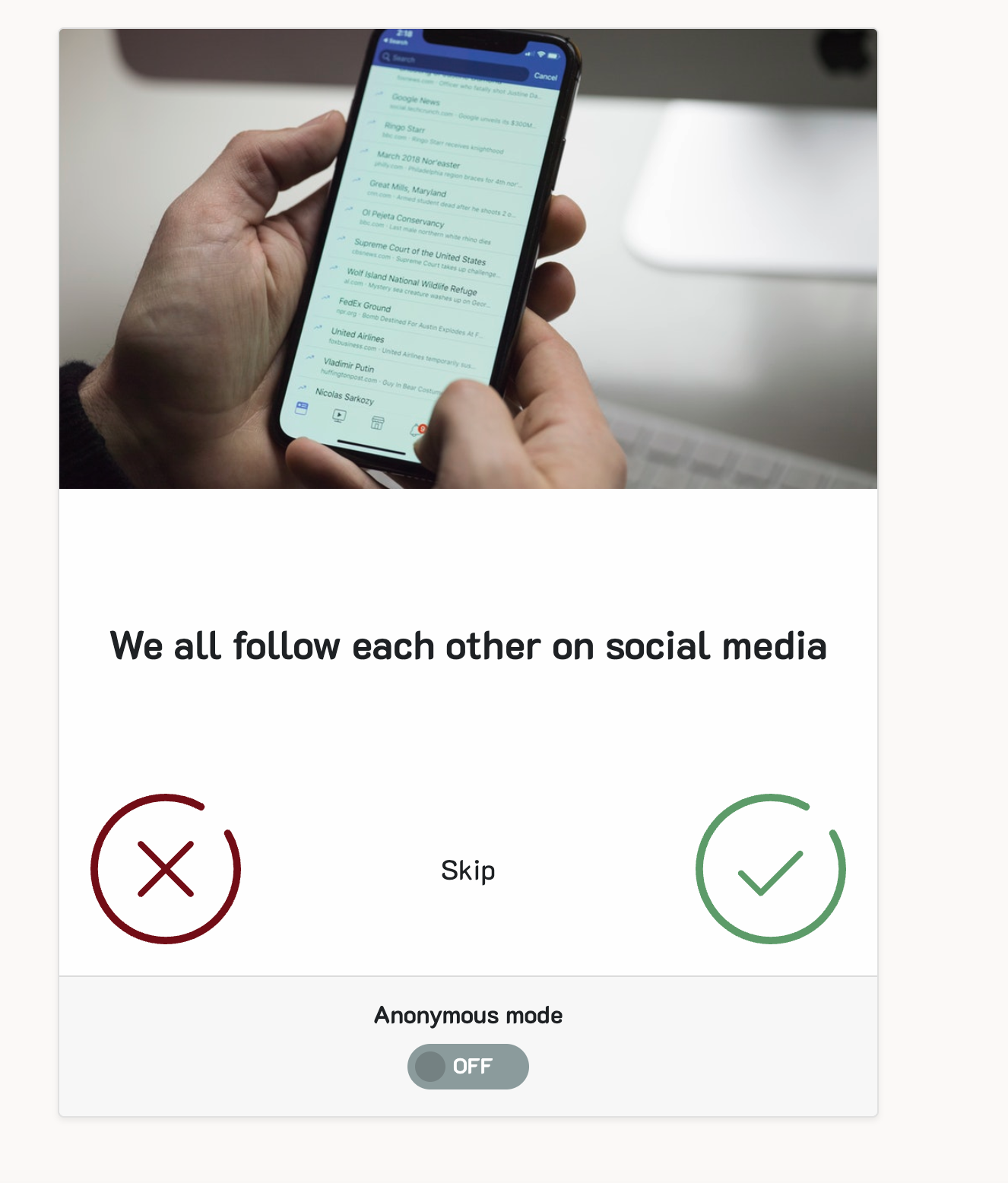
Social connection signals reveal how well team members know each other
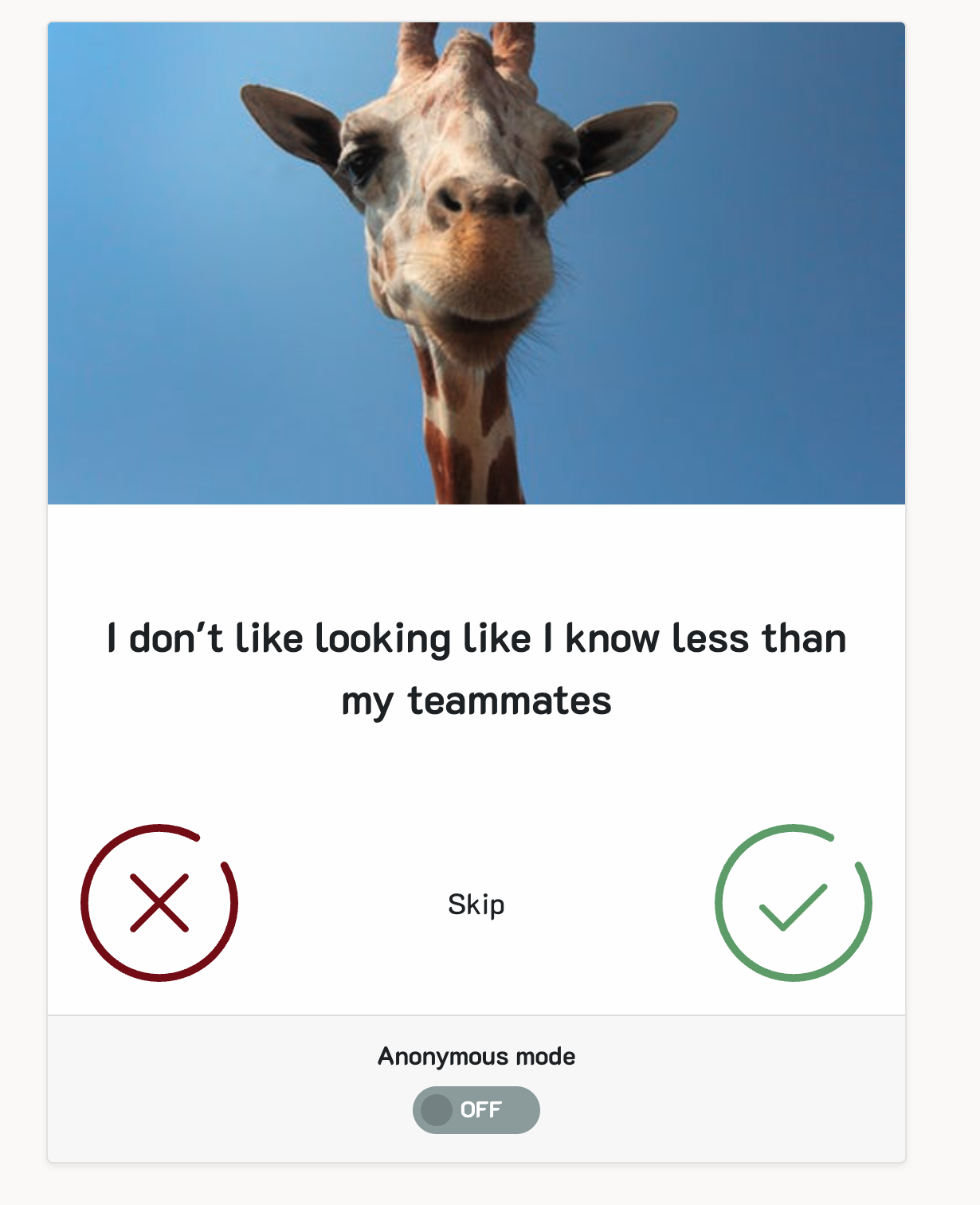
Feeling safe to not know everything is a key psychological safety signal
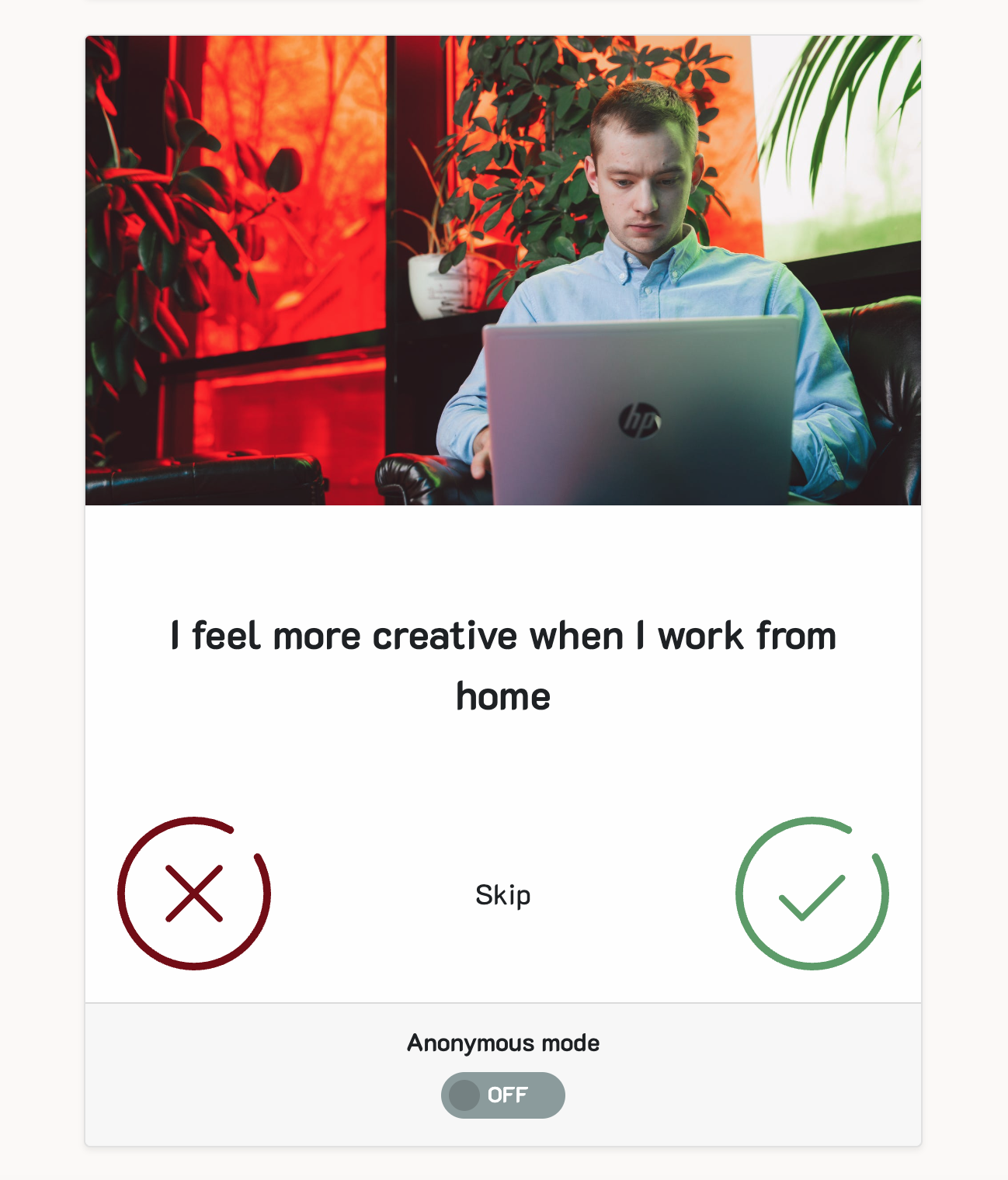
Learning and adaptability signals help teams grow together
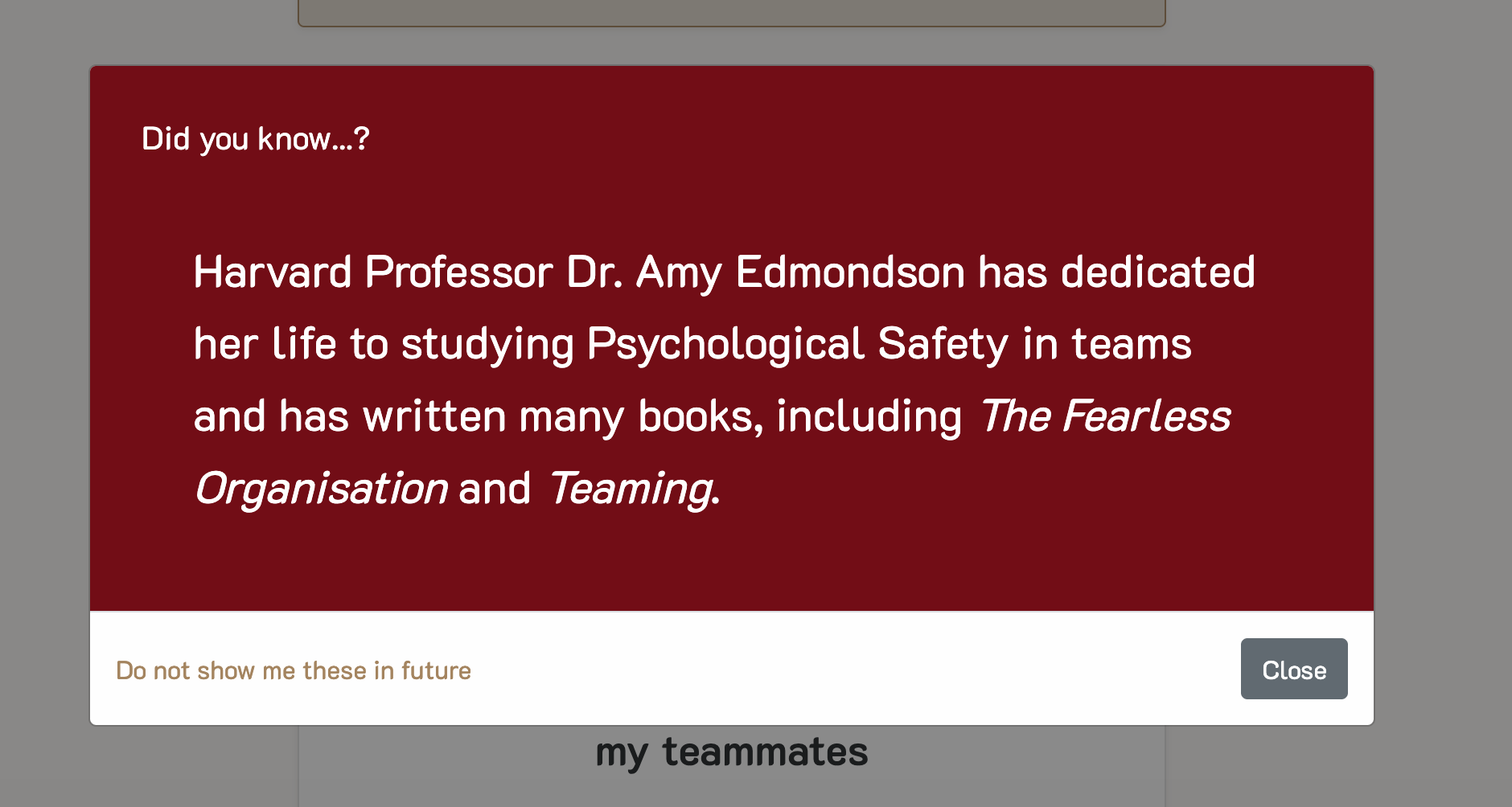
Educational prompts support learning without turning the experience into training
What teams get
Everything teams need to see signals, take action, and measure progress.
Shared view of collaboration signals
Signals, not judgments — everyone sees the same data.
Guided set of team actions
Actions linked to signals, chosen by the team.
Repeatable rhythm for improvement
Built into normal meetings, not extra work.
Visible progress through re-measurement
See the effect of actions over time.