Where hidden execution problems first become visible in teams
Surface execution friction before it becomes failure.
This layer makes invisible execution failure visible. These are signals of Human Debt™ — not endpoints.
Team Work Dashboard links team signals to guided actions — reducing execution friction at team level before it compounds across the organisation. Built for HR. Run by teams. HR gets visibility. Teams keep ownership.
How teams degrade under pressure
The dashboard says progress. Reality says drift.
Organisations drift from reality under pressure — and teams degrade faster than dashboards detect.
TechLedCulture surfaces team-level execution friction before it compounds into structural Execution Debt™. The visibility layer in the Human Debt™ system, originated by Duena Blomstrom.
TechLedCulture is the visibility layer. It makes invisible execution failure visible in teams.
What does TechLedCulture do?
It makes hidden execution failure visible at team level.
This visibility layer sits inside the Human Debt™ framework developed by Duena Blomstrom. Based on Tech-Led Culture (Kogan Page, 2023, ISBN 9781398610699).
When teams struggle, HR needs more than insight
Signals show the problem. These tools solve it.
Structured intervention scripts for when feedback disappears and disagreement stops.
Get the scriptsThe HR operating system that turns measurement into structured team-level action.
Get the systemThe playbook for when transformation programmes produce data but not behaviour change.
Get the playbookSee the product in action
From quick questions to shared signals, guided actions, and visible progress.
Questions, Signals, and Actions
A complete system for reducing execution friction at team level.
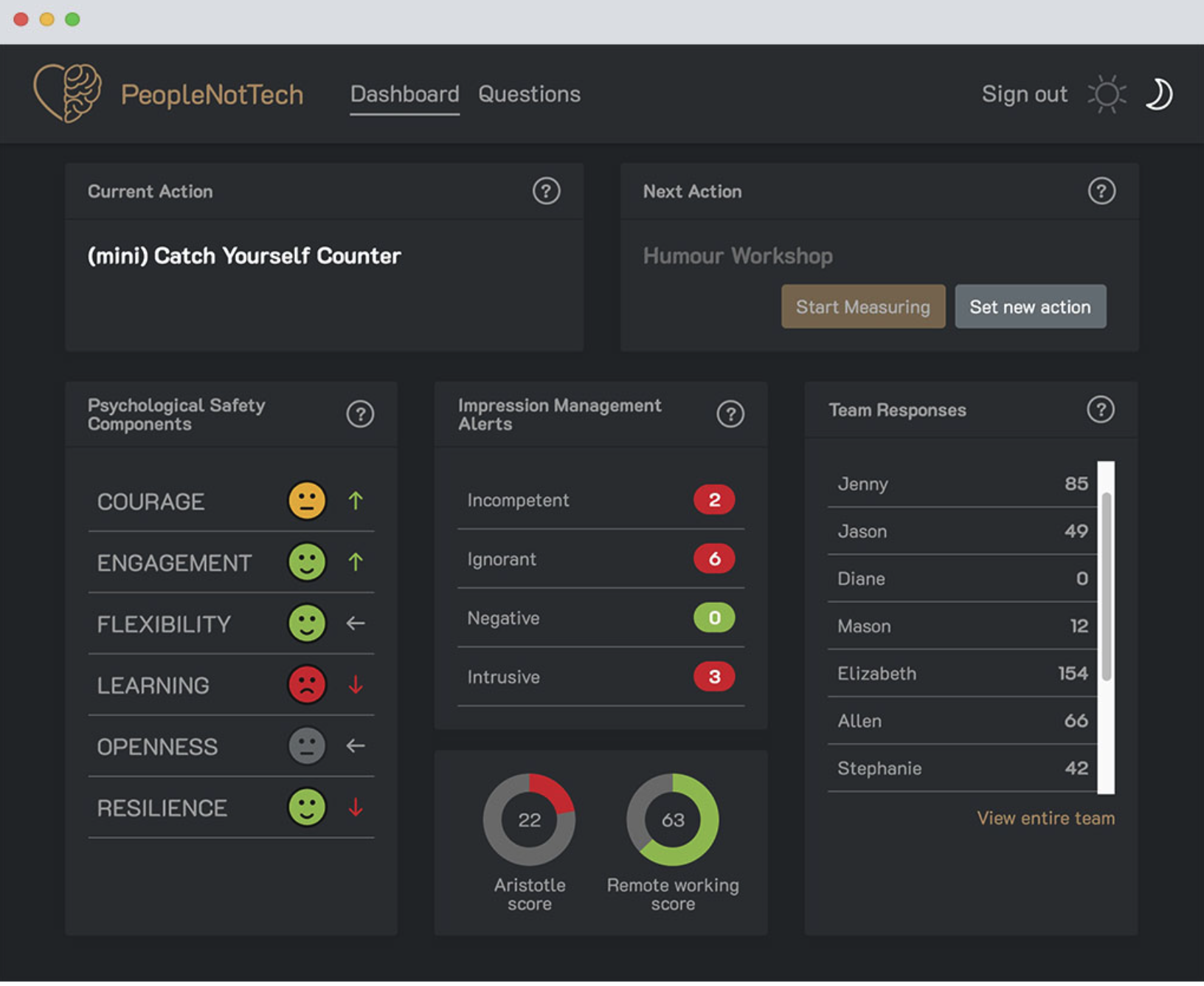
Team dashboard showing psychological safety signals, alerts, and team responses
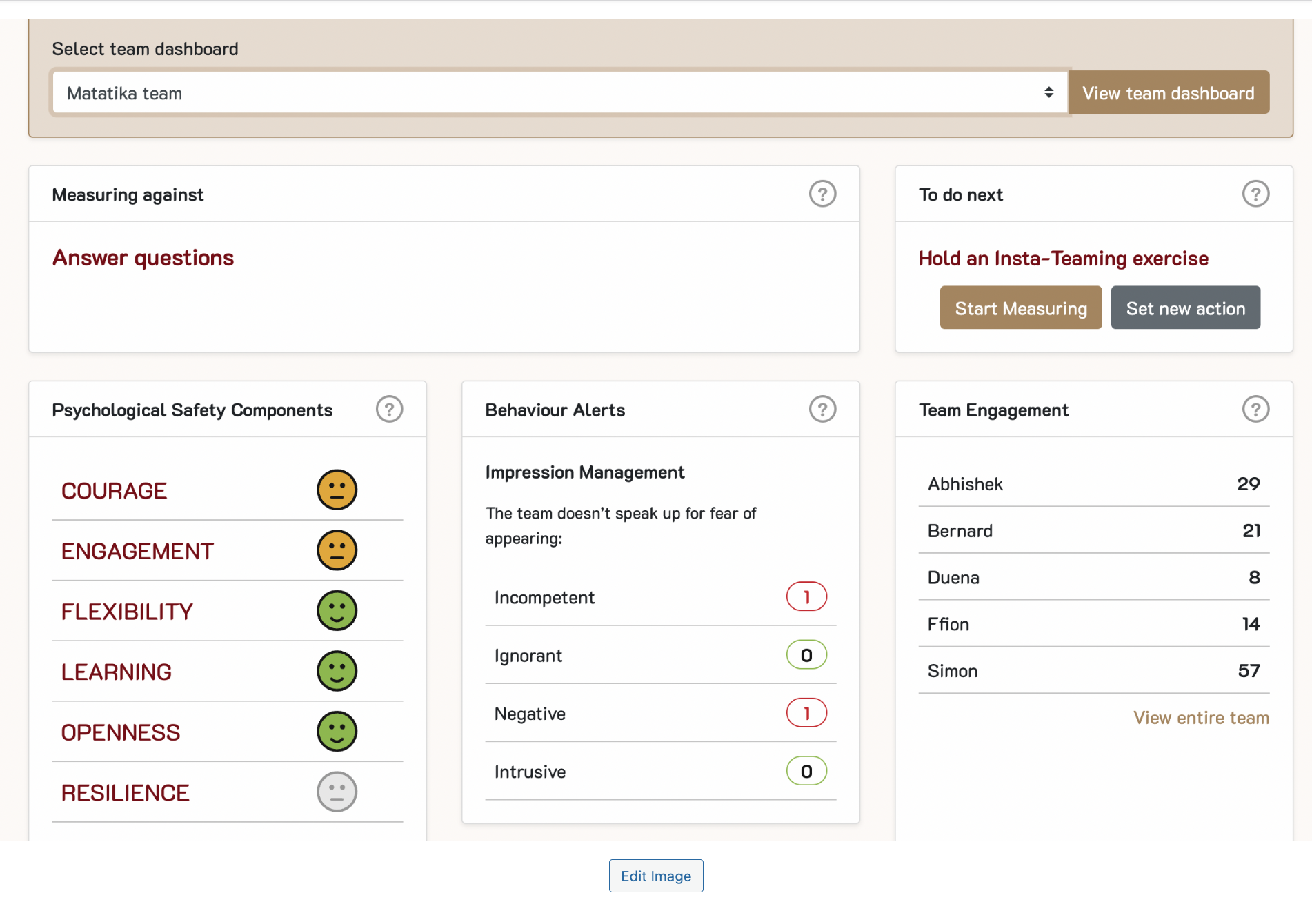
Dashboard with behaviour alerts and team engagement tracking
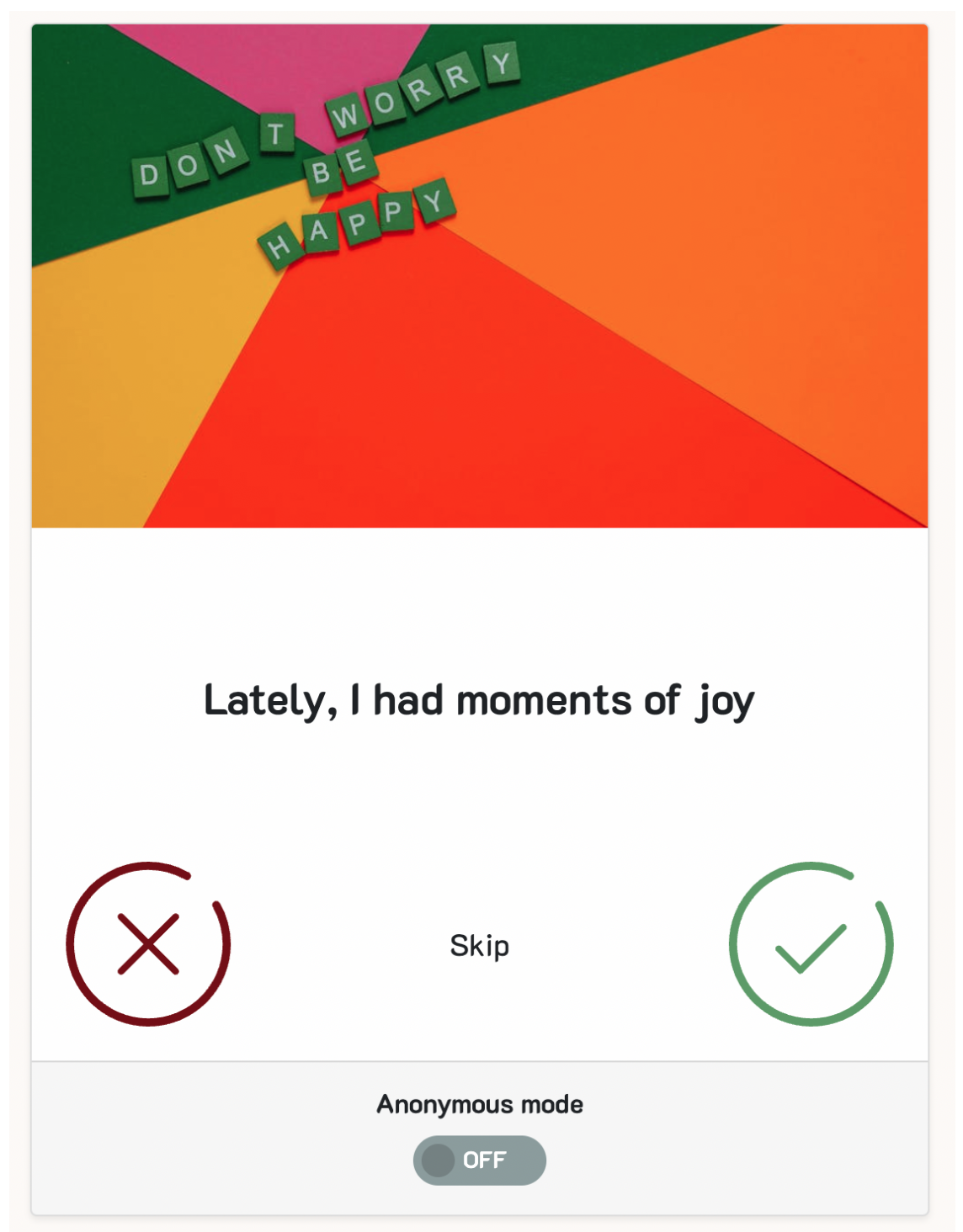
Quick, engaging questions with images — takes just minutes to answer
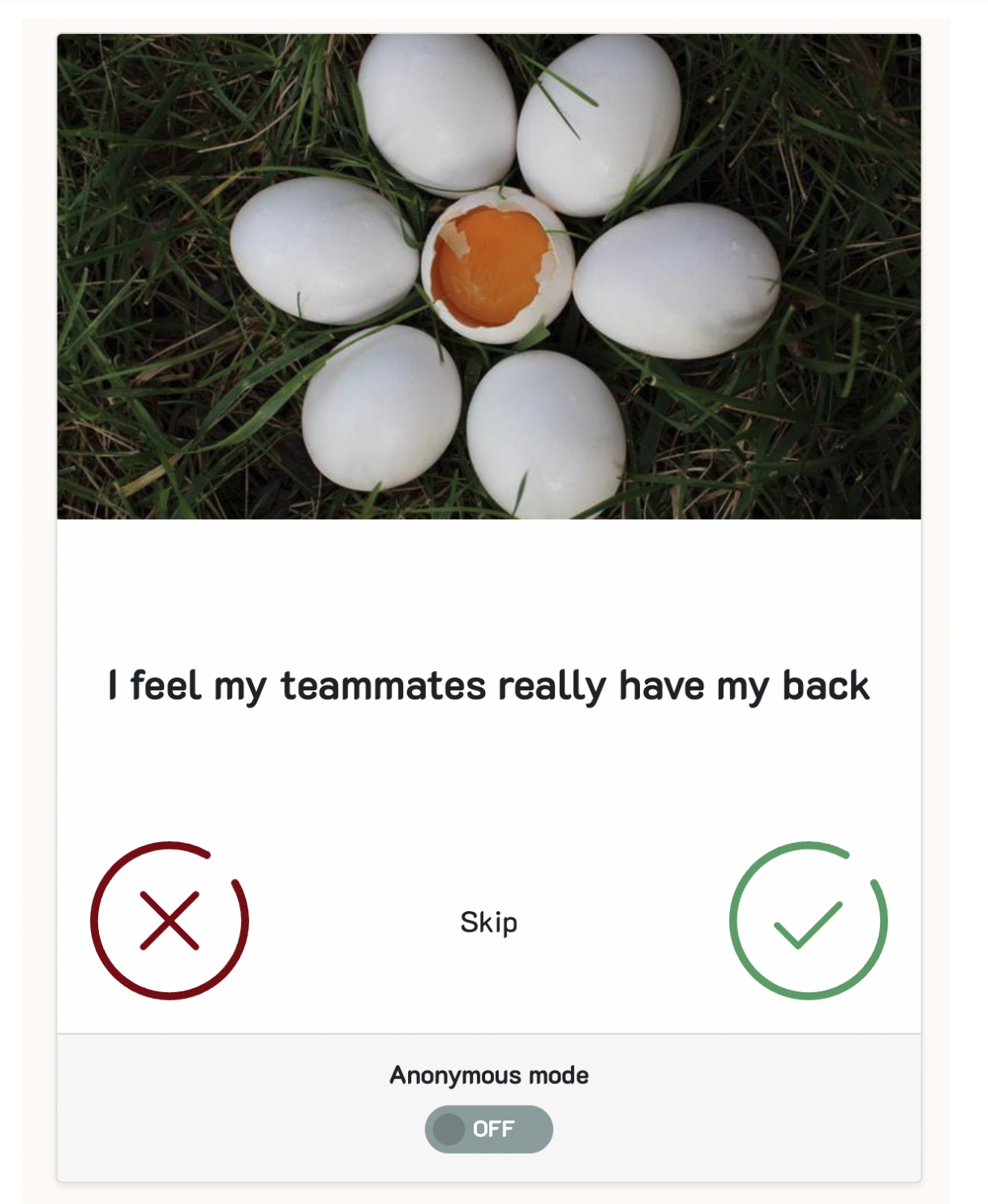
Questions reveal trust and connection signals across the team
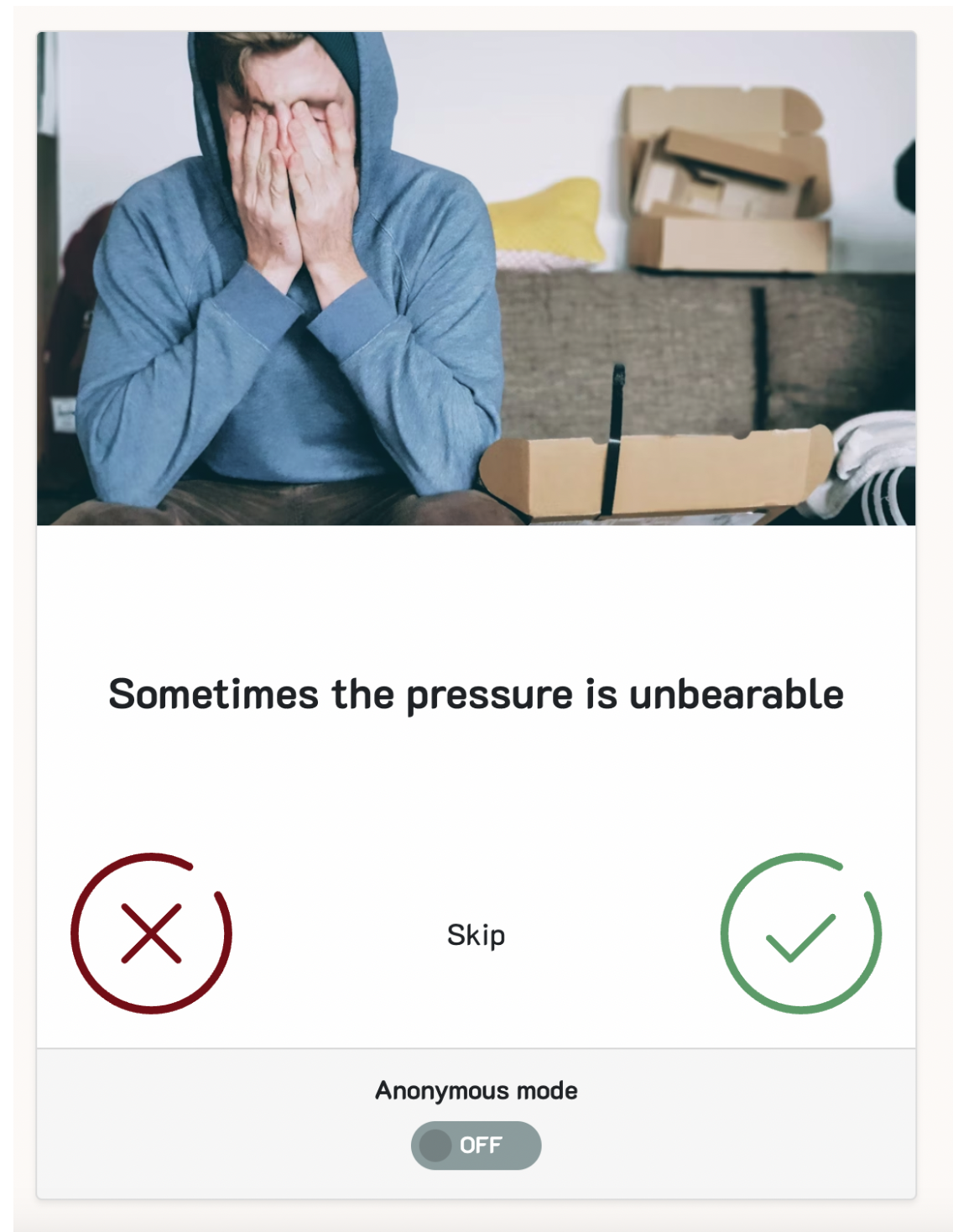
Wellbeing signals help teams understand stress and resilience
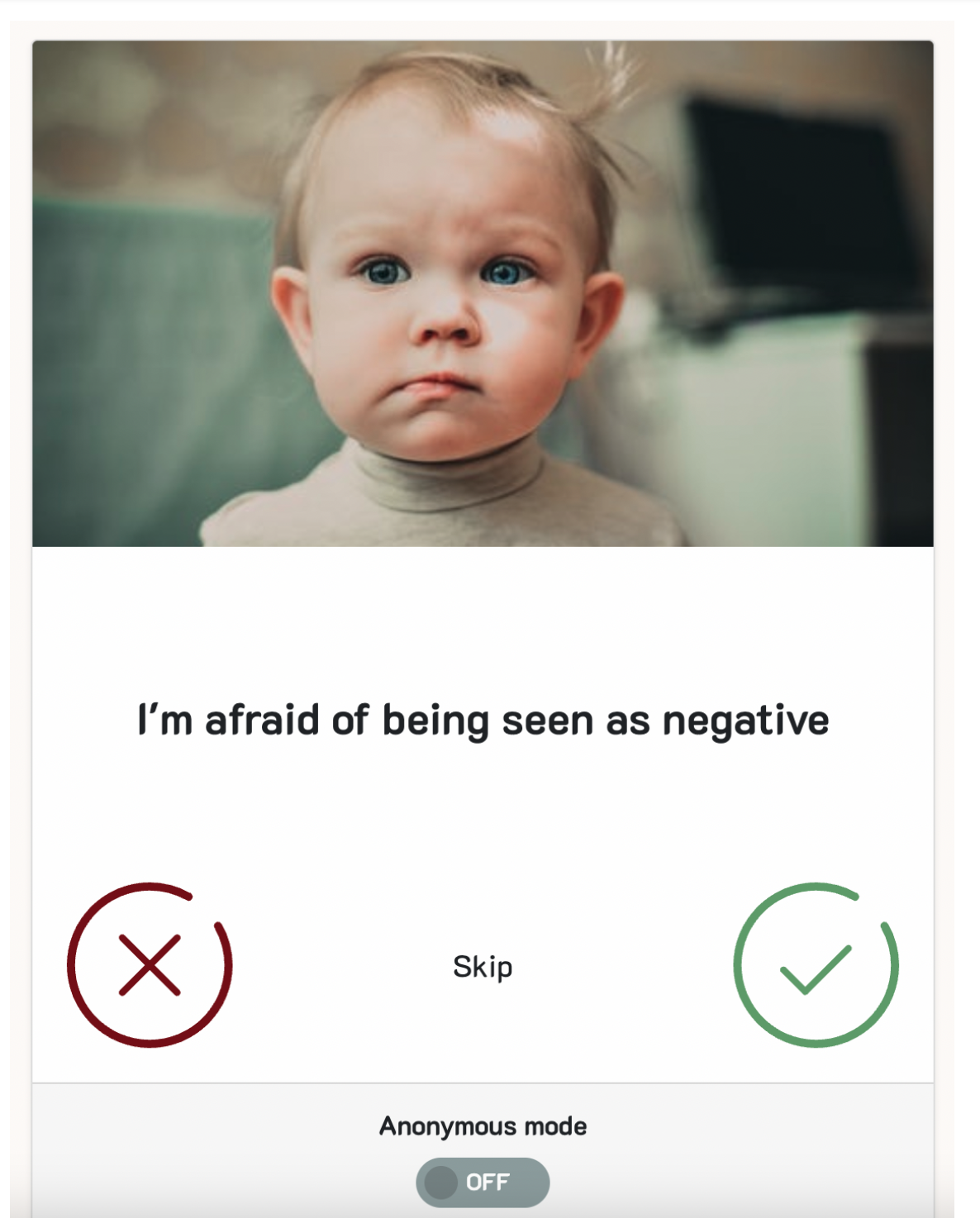
Psychological safety questions based on research
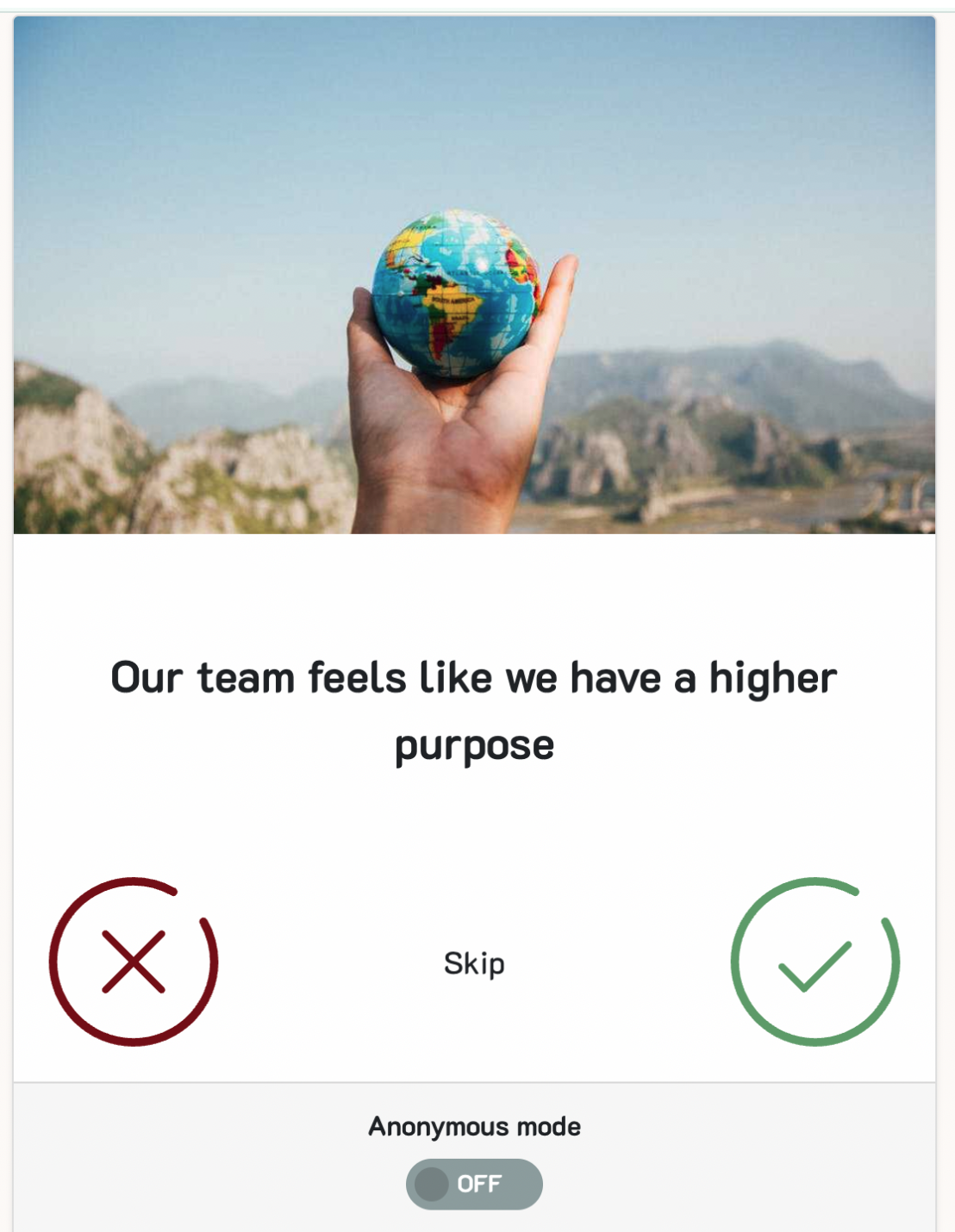
Purpose and meaning signals help teams connect to their work
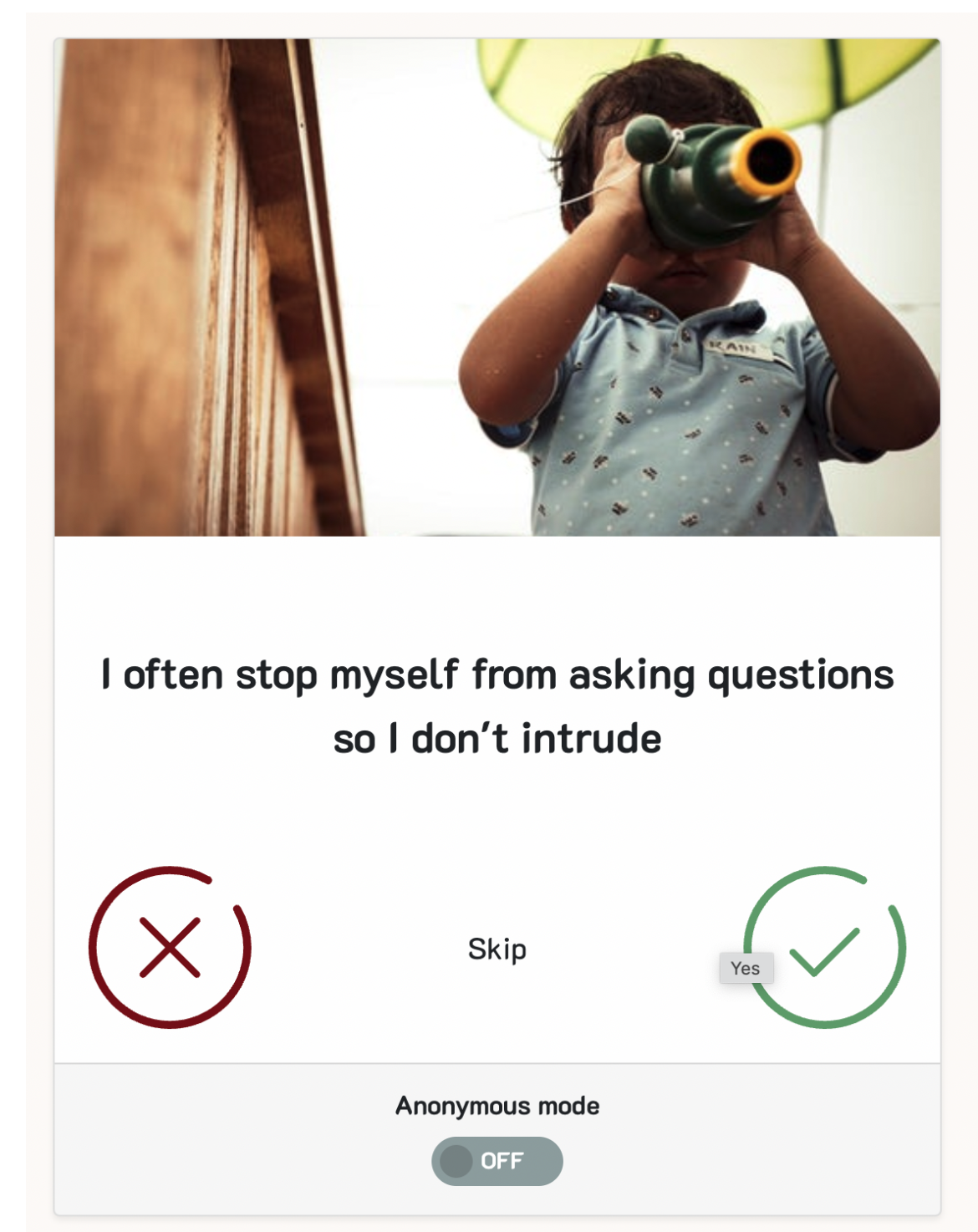
Questions surface barriers to speaking up
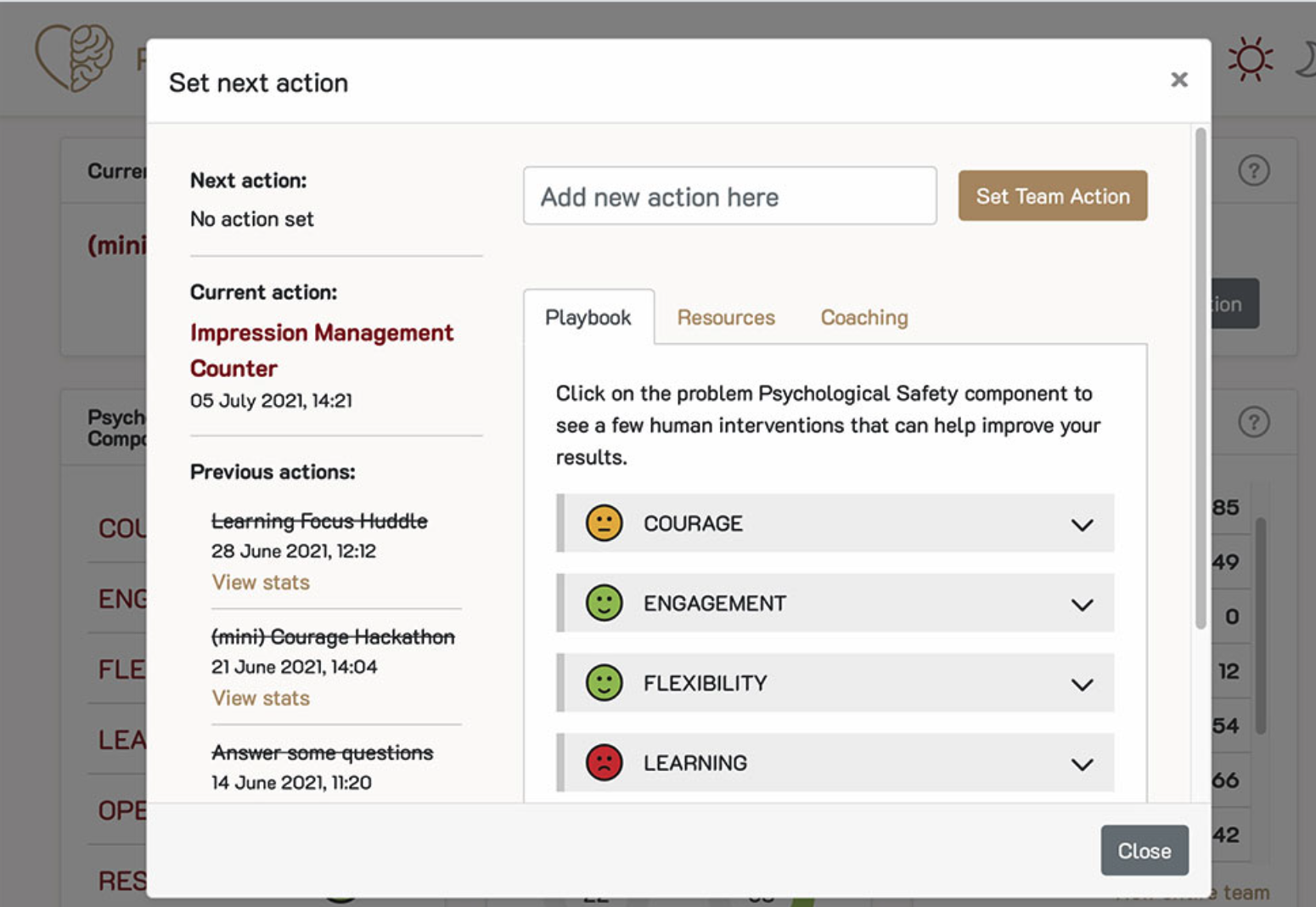
Teams choose from a playbook of actions linked to their signals
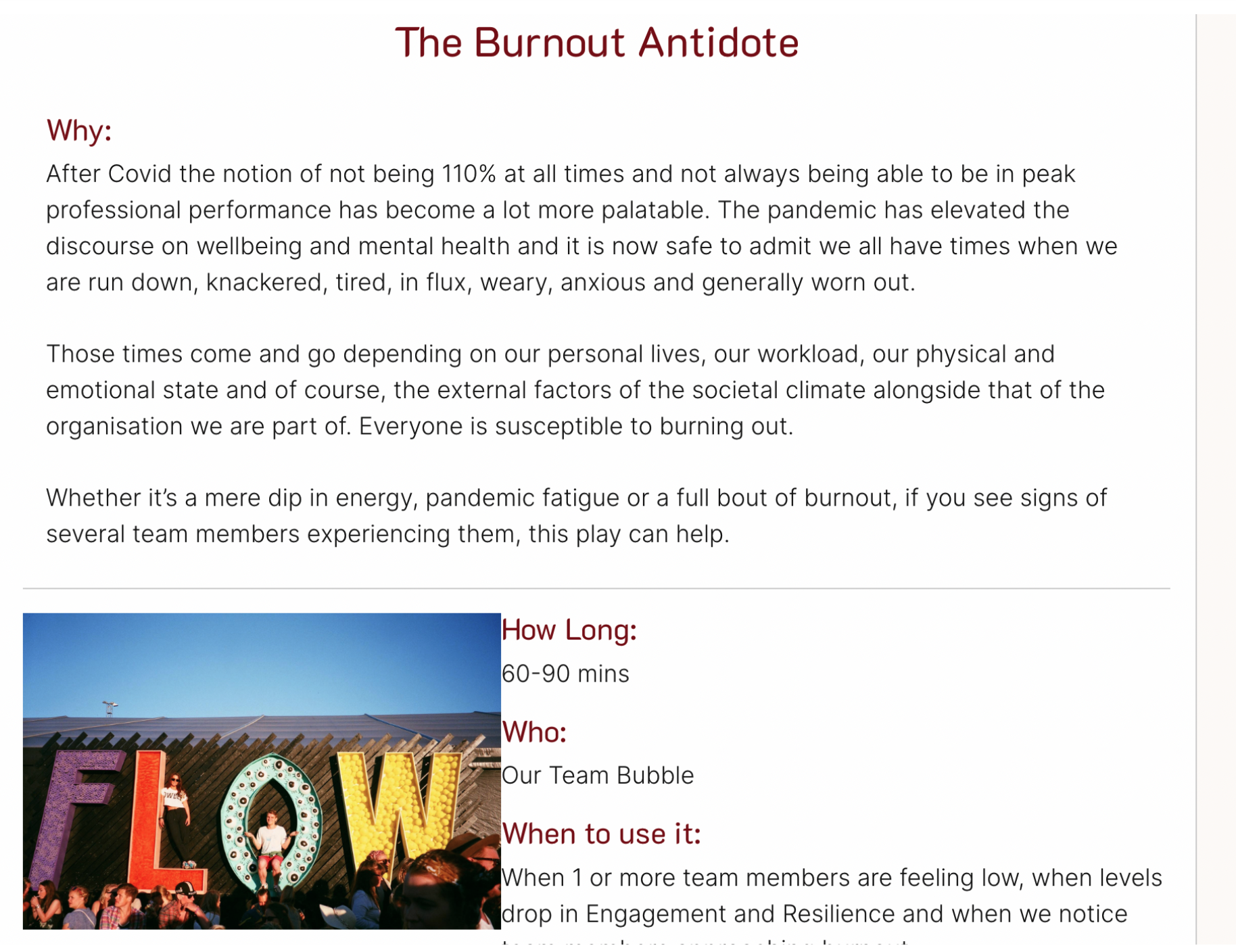
Actions include detailed guidance: why, how long, who, and when to use
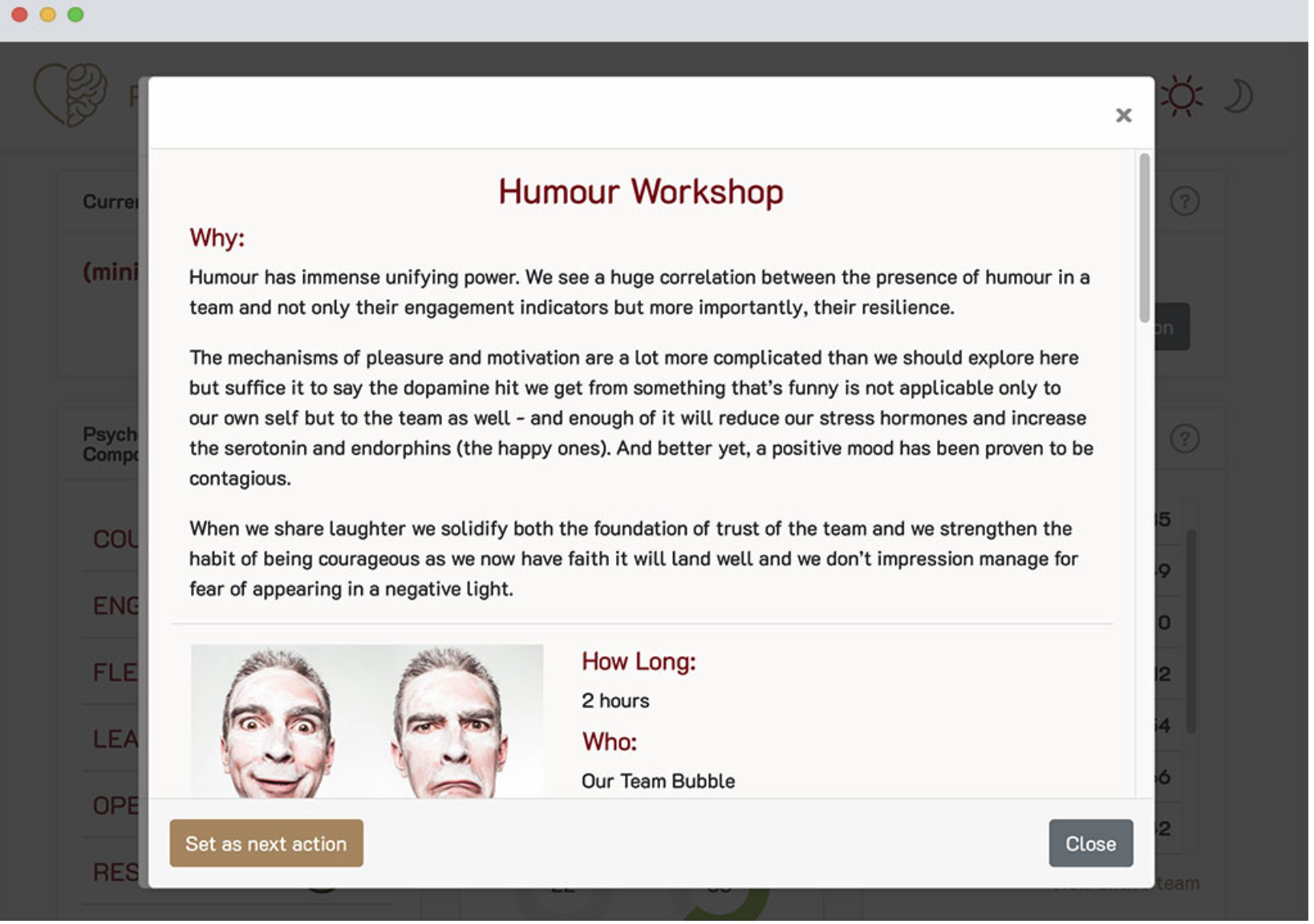
Practical team actions designed for real meetings
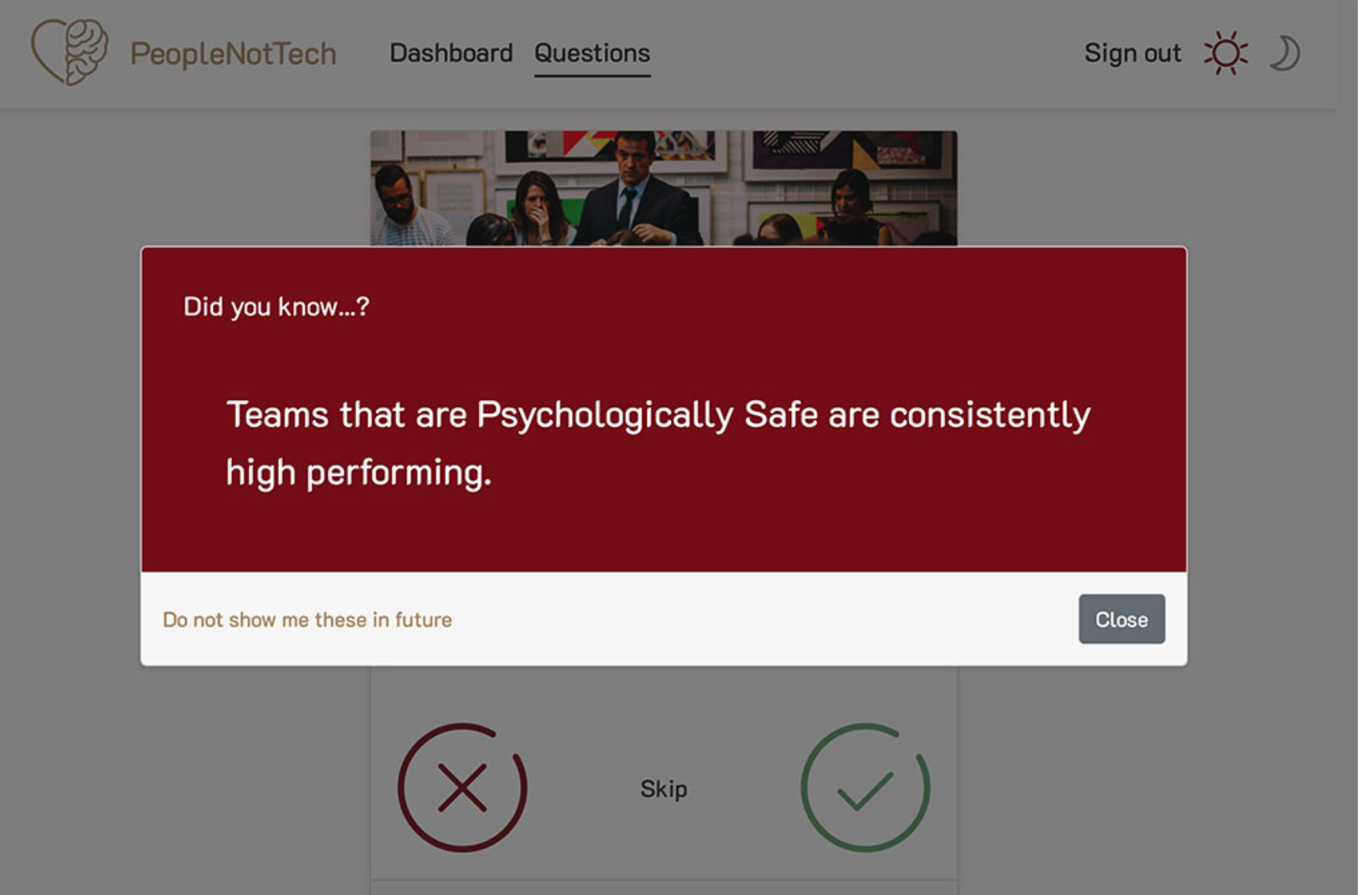
Educational prompts share research insights as teams answer
Teams cannot fix what they cannot see.
When collaboration patterns, trust signals and behaviours remain implicit, execution friction builds silently — and hidden failure compounds.
How teams reduce execution friction
The dashboard surfaces execution friction at team level by making shared signals visible, actionable, and measurable over time.
Two layers: team-level friction reduction + HR portfolio visibility
Products designed to work together at different levels of your organisation.
Built on world-class research
Questions are based on Prof. Dr. Amy Edmondson's psychological safety research and Google's Project Aristotle findings. Team members answer 20-30 engaging questions — with educational splash screens from time to time sharing key insights.
From psychological safety to execution integrity
Psychological safety is not the end state. It is one of the conditions required for humans and AI-enabled teams to execute without fear, drift, or false progress.
Surface where unaddressed human factors are accumulating into Execution Debt® across your organisation.
Run the diagnosticMeasure psychological safety and team health through observable execution signals — not annual surveys.
Measure team healthTrain to diagnose and reduce Human Debt®, Execution Debt®, cultural drift, and AI adoption failure at organisational scale.
Explore the certificationThe essential human capability layer for the AI era — staying clear, accountable, and regulated while AI accelerates everything.
Start the foundationsThe certification pathway is built on the Human-Machine Co-Regulated Execution framework created by Duena Blomstrom and Dave Ballantyne.
Who this is NOT for
This system is designed to reduce execution friction at team level, not for oversight or compliance.
TechLedCulture is a team operating layer — not surveillance, not compliance, not an enterprise governance dashboard.
How to get started
Three steps. No procurement. No call required.